Australian Montessori Gift Guide

Best Montessori gifts in Australia for babies and toddlers

Buying for a baby, toddler or preschooler? Start with what the child can do now, then pick an activity worth repeating. Below are ten illustrated gift ideas, a quick comparison, Australian safety checks and links to detailed buying guides with current product options.

What are the best Montessori-style gifts in Australia?

For a new baby, consider a high-contrast soft book. Around the first birthday, posting boxes, ball trackers and stacking rings offer simple repeatable play. Older toddlers may enjoy shape or colour sorting, latches and large lacing beads. For preschoolers, pattern blocks and unit blocks give more room to build and invent.

If you only have 30 seconds: choose the gift that matches something the child already tries to do, such as posting, opening, matching or building. Follow the exact product's age grade and check its current listing. A “Montessori” label by itself says little about suitability or safety.

Our selection method

A toy has to do more than look good on a shelf

We chose these ten types of gift because each offers a visible action a child can try again: look, post, roll, stack, fit, match, open, thread, arrange or build. We then considered how easy it is to begin, whether the activity can change as the child grows, what a buyer needs to inspect and which ToyBloom guide helps compare actual products.

This is editorial buying guidance based on product design and published play and safety guidance. It is not a laboratory test of the pictured products, and a toy cannot guarantee a developmental outcome. The photos illustrate the gift type; follow the linked guide to compare exact products.

What research can and cannot tell us

Leave room for the adult and the child to talk

In a small home-play study of 26 parent and infant pairs, adults spoke more words per minute while sharing books or traditional toys than while using electronic toys. The chart shows the observed averages, not a forecast for any child or a score for a particular product.

That finding does not make every electronic toy bad or every wooden toy good. It is a reminder to ask who is doing the work. A simple object can leave room to name, point, describe and respond together. Read the original study and the American Academy of Pediatrics toy guidance.

Practical takeaway: choose a toy that invites a child to act and gives an adult something natural to talk about. The quality of play depends on the people using it, not just the object.

Adult words per minute during three kinds of parent-infant playElectronic toys 39.62, traditional toys 55.56, books 66.89 average adult words per minute in a study of 26 pairs.Adult words per minuteElectronic toys39.62Traditional toys55.56Books66.89Scale begins at zero; bars compare observed averages.
Source: Sosa, parent-infant play study, 26 pairs. This result measures adult speech during observed sessions, not later language development.
Play materialAdult words per minute
Electronic toys39.62
Traditional toys55.56
Books66.89
Quick picks

Start with the kind of play the child already enjoys

Best for babiesHigh-contrast soft book
Best first posting toyObject-permanence box
Best for one-year-oldsWooden ball tracker
Best for colour matchingColour sorting tray
Best for longer useWooden unit blocks
Side-by-side comparison

Which Montessori toy fits the child right now?

The age ranges below are broad starting points. Always follow the exact product's current age grade.

PickBest forBroad starting stageMain actionDetailed guide
High-contrast soft bookEarly visual and tummy-time playFrom birthLook, track and later reach0 to 6 months
Object-permanence boxPosting and retrievingOlder babyPost, watch and retrieve6 to 12 months
Wooden ball trackerRepeated cause and effectOlder baby to young toddlerRelease, watch and repeat1 year olds
Stacking ringsFirst stacking and size comparisonYoung toddlerRemove, replace and compareStacking toys
Shape sorterFit and orientationYoung toddlerTurn, match and postSorting toys
Colour sorting trayColour matchingToddlerCompare and groupColour sorting toys
Lock-and-latch boardPractical mechanismsToddlerSlide, turn, open and closeBusy boards
Lacing beadsTwo-handed fine motor playOlder toddlerHold, thread and pullFine motor toys
Pattern blocksMatching and constructionPreschoolerCopy, rotate and build3 year olds
Wooden unit blocksOpen-ended buildingPreschoolerPlan, balance and constructOpen-ended toys
The complete shortlist

Ten gift ideas, from first looks to big builds

These ten images and toy types are the original ToyBloom shortlist. Each link leads to a more specific guide where you can compare products and find current Amazon Australia listings. The broad stages below are not substitutes for the product's age marking.

#1 Best for newbornsHigh contrast soft tummy time book for a newborn baby
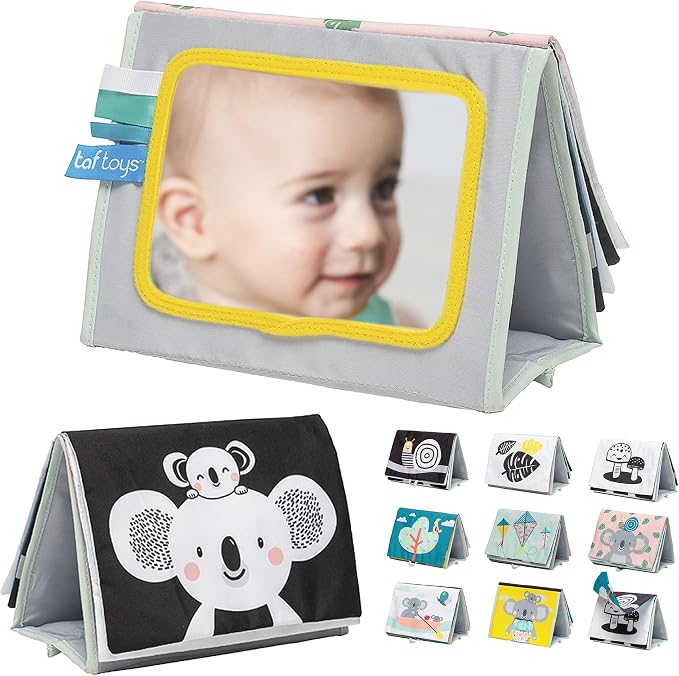
High-contrast soft book

From birth

A freestanding soft book gives a newborn something simple to look at before active grasping begins. A two-sided version can add colour and tactile features for later use.

Why it made the list: It works during supervised tummy time and does not require the baby to understand a complicated action.

Look forStable freestanding design, soft construction and clear visual contrast.
Check before buyingCurrent age guidance, seams, care instructions and attached components.

When to pass: Skip it if the family already has several visual books or needs a gift for active floor play right now.
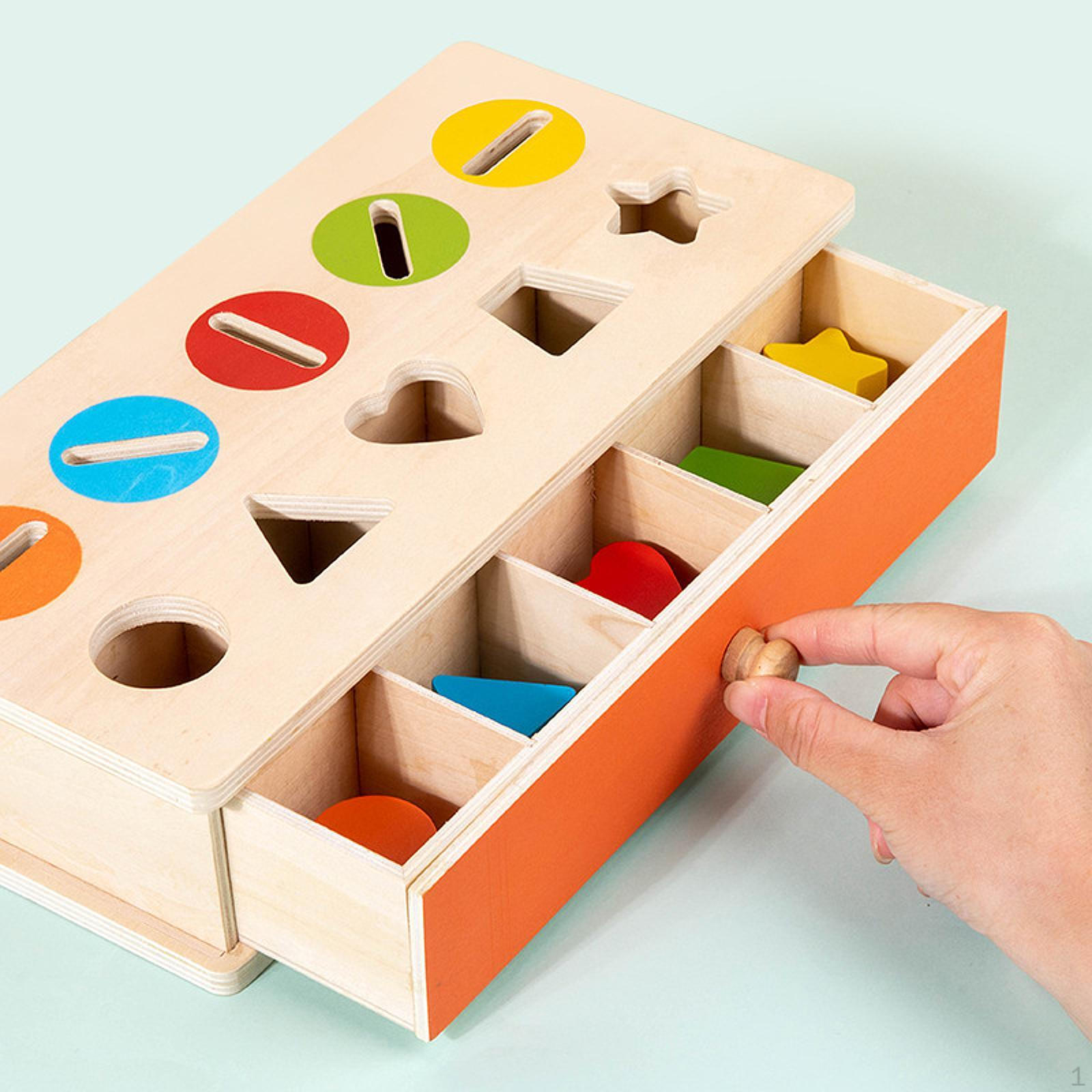
#2 Best first posting toyWooden Montessori object permanence posting box

Object-permanence posting box

Older baby

The child posts a ball or disc, watches it disappear and then retrieves it from the tray or drawer. The action is short, visible and easy to repeat.

Why it made the list: It combines hand placement, release and retrieval in one clear activity without unnecessary electronic feedback.

Look forA stable box, smooth edges and a piece that is easy to grasp.
Check before buyingPiece size, lid or drawer security and the manufacturer's age grade.

When to pass: Skip it if the supplied ball or disc is too small for the intended child or the listing does not clearly state a suitable age.

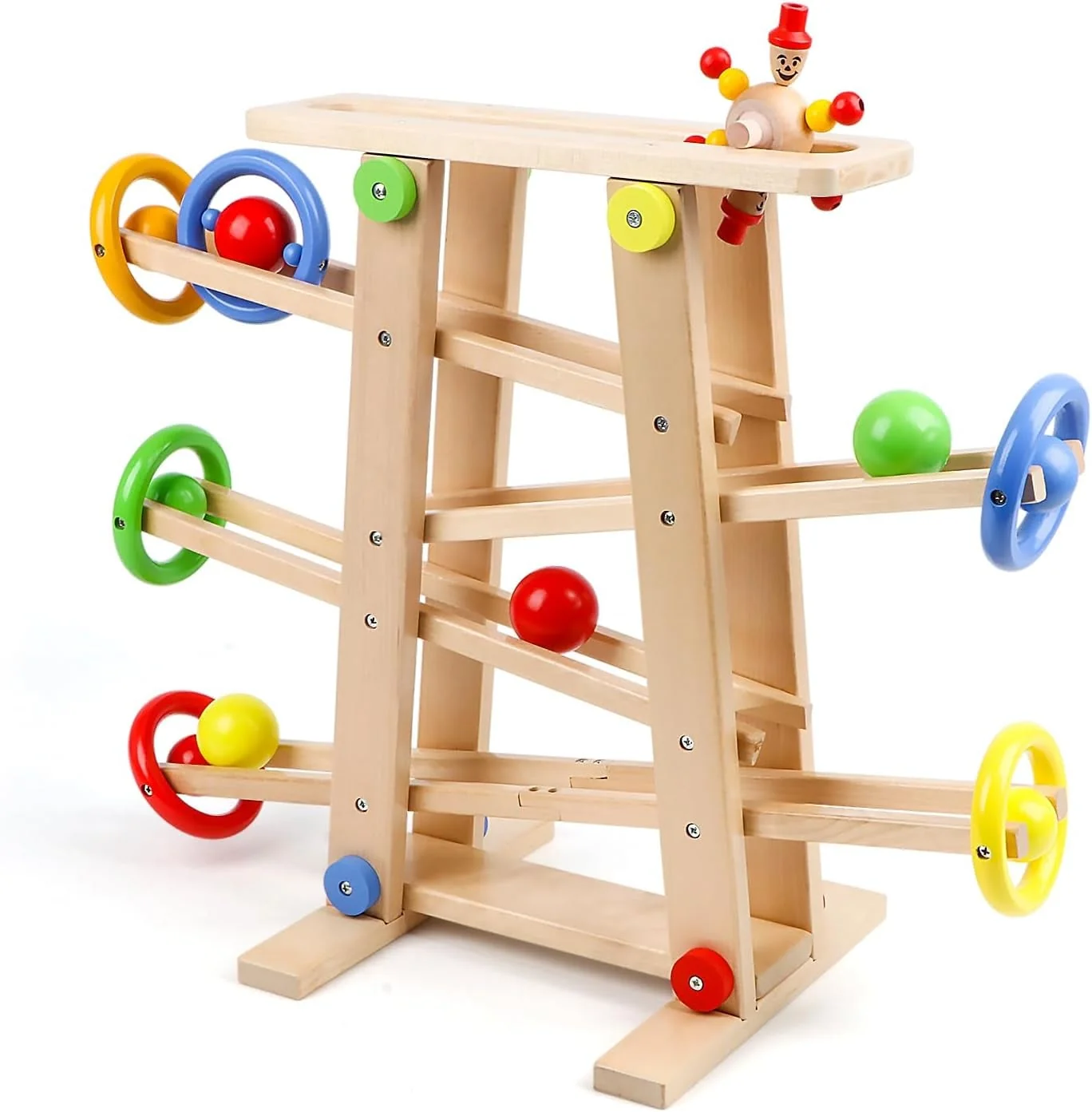
#3 Best cause-and-effect toyWooden Montessori ball tracker for repeated cause and effect play

Wooden ball tracker

Older baby to toddler

The child releases a ball at the top and watches it travel down the track. Retrieving and repeating the action can make the sequence easy to understand.

Why it made the list: The child's hand creates the result, and the movement is visible from beginning to end.

Look forA stable base, contained track and balls that are easy to hold.
Check before buyingBall size, loose joints, finish wear and the stated age.

When to pass: Skip it if the balls can come loose in a home with younger children or the frame has weak joints.

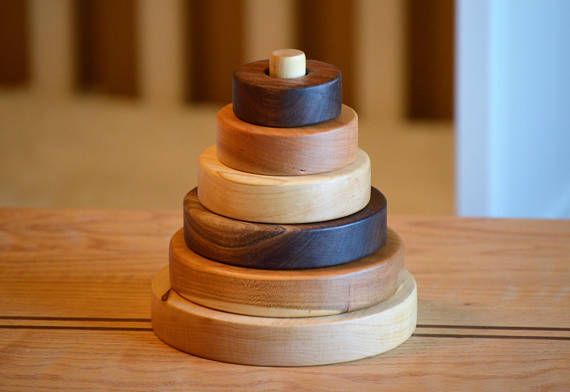
#4 Best first stacking toyWooden Montessori stacking rings on a central post

Wooden stacking rings

Young toddler

Stacking rings invite the child to remove, replace and compare pieces. Correct size order can emerge later without making it a pass-or-fail task.

Why it made the list: It begins with a simple placement action and can later introduce size comparison and order.

Look forA stable base, easy-to-hold rings and smooth construction.
Check before buyingPost design, ring size, painted finish and age grading.

When to pass: Skip it if the central post is exposed or the rings are difficult for the child to grasp safely.

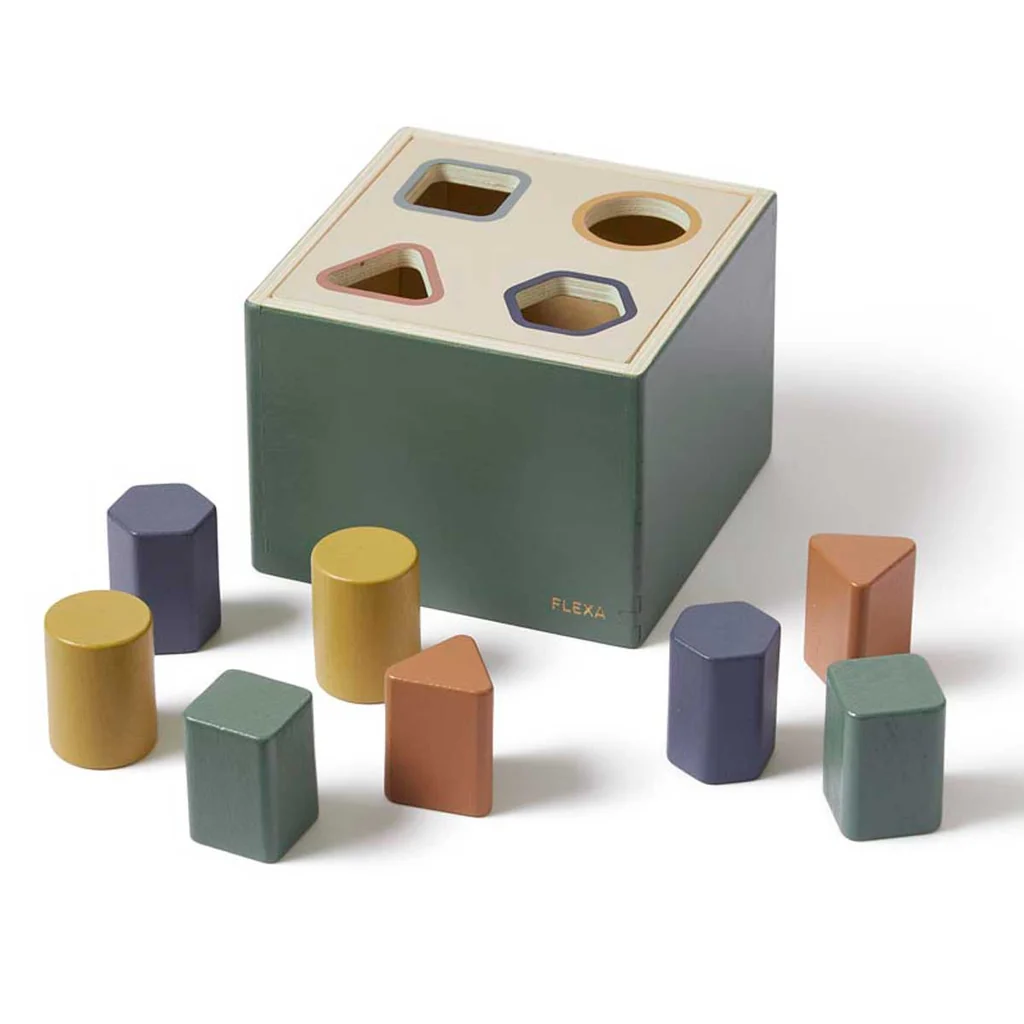
#5 Best fit-and-match toyWooden Montessori shape sorting box with geometric pieces

Shape sorting box

Young toddler

A shape sorter asks the child to compare a solid piece with an opening, rotate it and try again until it fits.

Why it made the list: The opening provides direct feedback, while the retrieve-and-repeat design creates a complete activity cycle.

Look forClearly different shapes, large pieces and an easy retrieval method.
Check before buyingLid security, hinge design, loose parts and the exact age grade.

When to pass: Skip it if the pieces are small enough to become a hazard for the intended child or younger siblings.

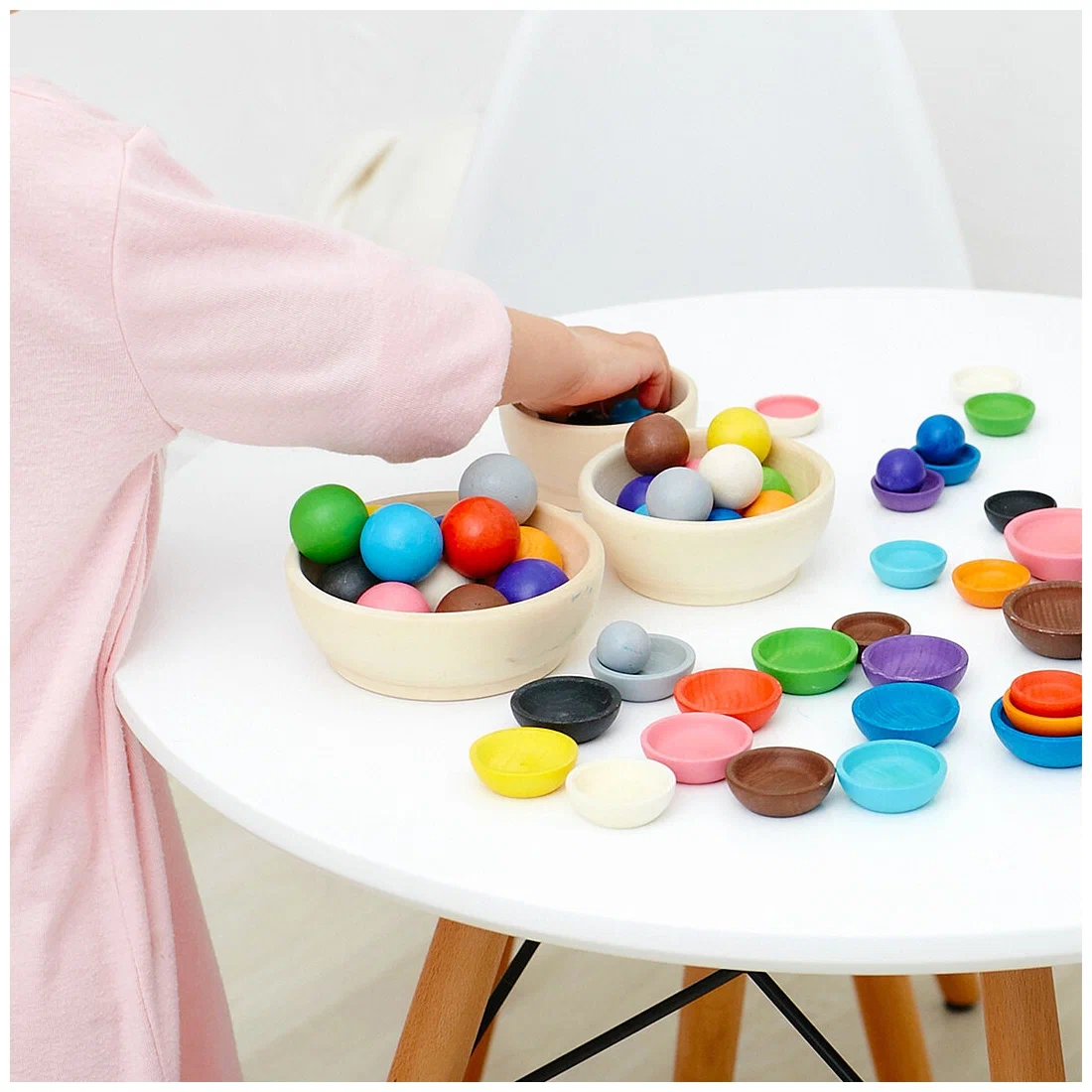
#6 Best colour-matching toyWooden colour sorting tray with coloured pieces

Colour sorting tray

Toddler

A colour sorter gives the child one visible rule: match each loose piece with the corresponding colour area. The task can be simplified by offering fewer colours first.

Why it made the list: It turns colour comparison into a concrete hands-on action and can be adjusted as the child gains confidence.

Look forClear colour differences, large pieces and an uncluttered layout.
Check before buyingSmall-piece risk, paint wear, included tools and current age guidance.

When to pass: Skip it if the set relies on tiny counters or tools that do not suit the child's current age.

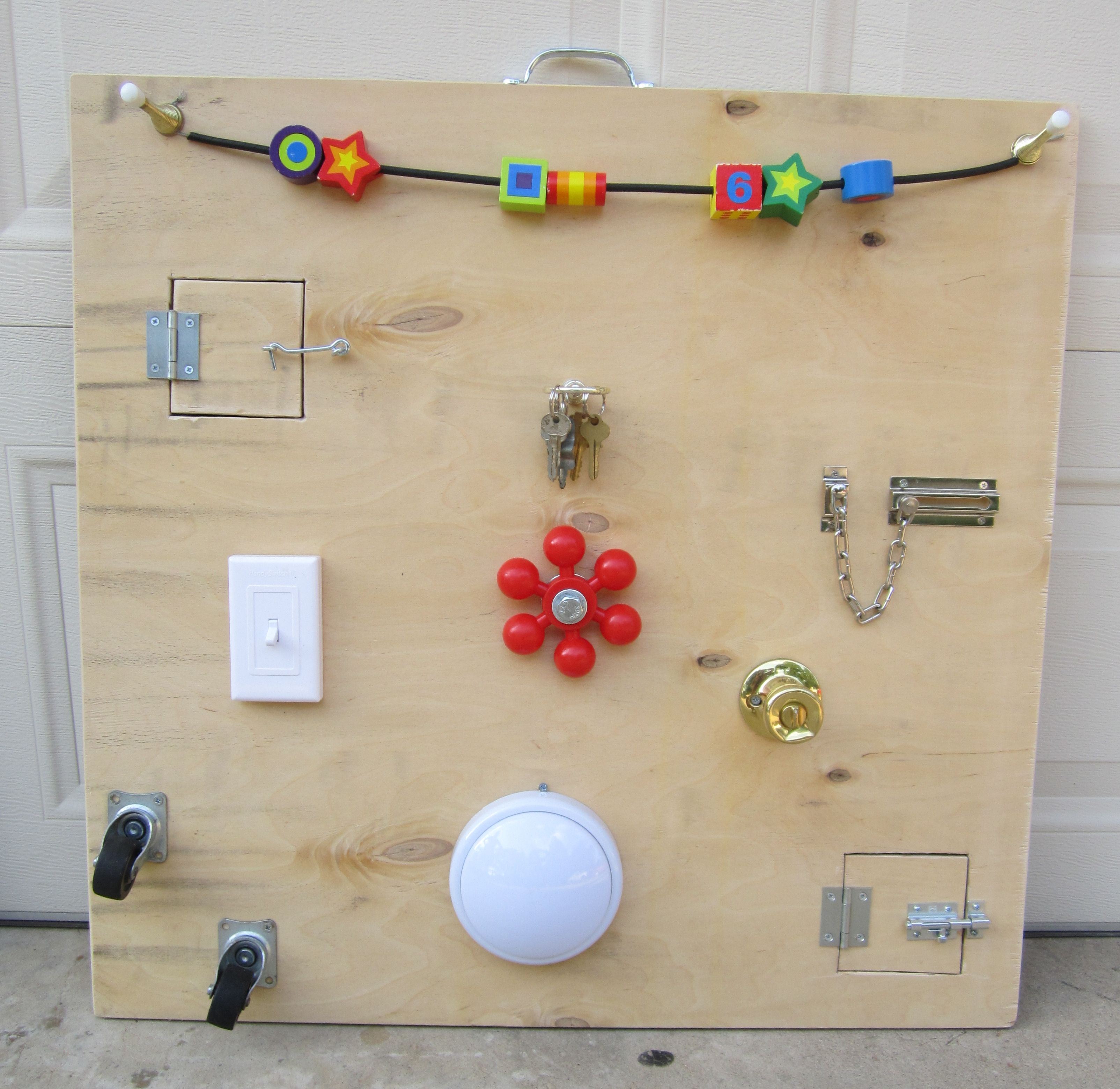
#7 Best practical mechanism toyWooden Montessori busy board with locks latches and doors

Lock-and-latch busy board

Toddler

A focused busy board lets the child slide, turn, hook, open and close real-world-style mechanisms mounted on a stable surface.

Why it made the list: Each fastener gives a specific hand action and a clear result without relying on screens or sound effects.

Look forSecure hardware, clearly separated mechanisms and a stable board.
Check before buyingLoose screws, sharp edges, pinching points and detachable keys.

When to pass: Skip it if the hardware is loose, has pinching points or can detach during play.

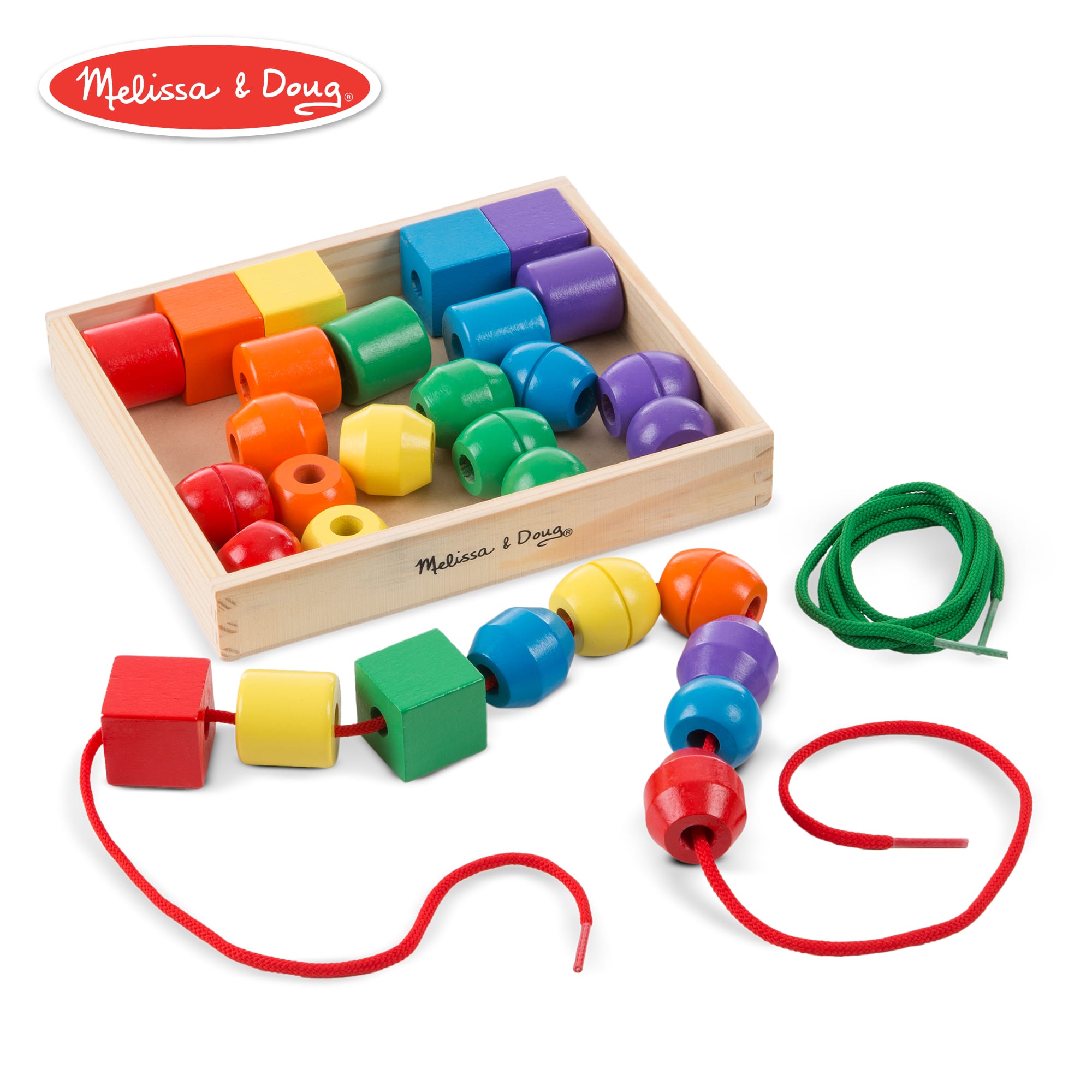
#8 Best threading activityWooden Montessori lacing beads and threading cord

Large wooden lacing beads

Older toddler

Lacing beads ask one hand to hold and position a bead while the other hand pushes and pulls the cord through.

Why it made the list: It provides a clear two-handed task that can be repeated with different colours, shapes and simple patterns.

Look forLarge beads, sturdy cord ends and a limited number of pieces to start.
Check before buyingChoking risk, cord length, damaged holes and age grading.

When to pass: Skip it if the cord or beads do not match the age guidance or the child still mouths small objects.

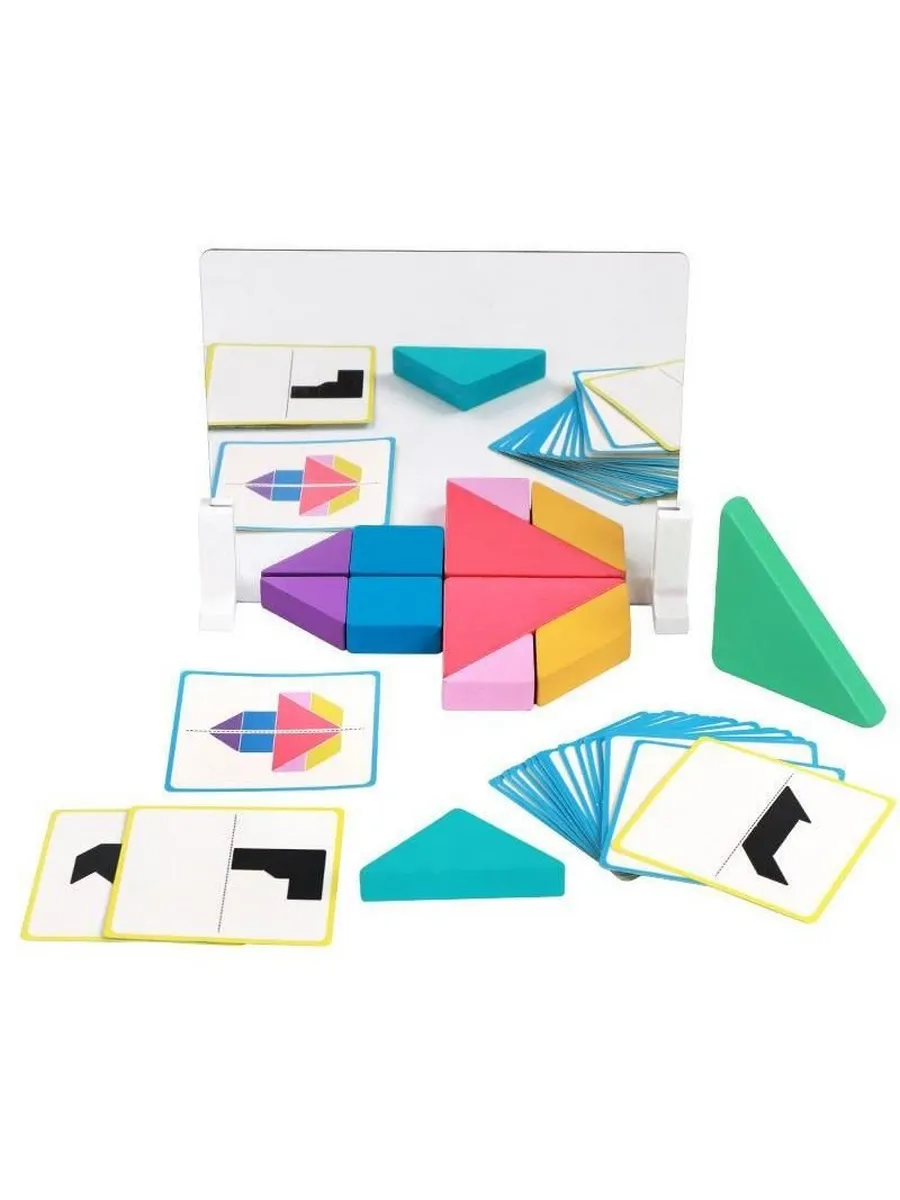
#9 Best pattern activityColourful geometric pattern blocks for matching and construction

Geometric pattern blocks

Preschooler

Pattern blocks can be copied from a card, arranged into pictures or used for independent geometric construction.

Why it made the list: The same pieces can support matching first and more open-ended designs later.

Look forStrong shape contrast, useful guide cards and enough pieces for building.
Check before buyingPiece size, print quality, paint wear and storage.

When to pass: Skip it for younger children if the pieces are small or the picture cards make the task frustrating.

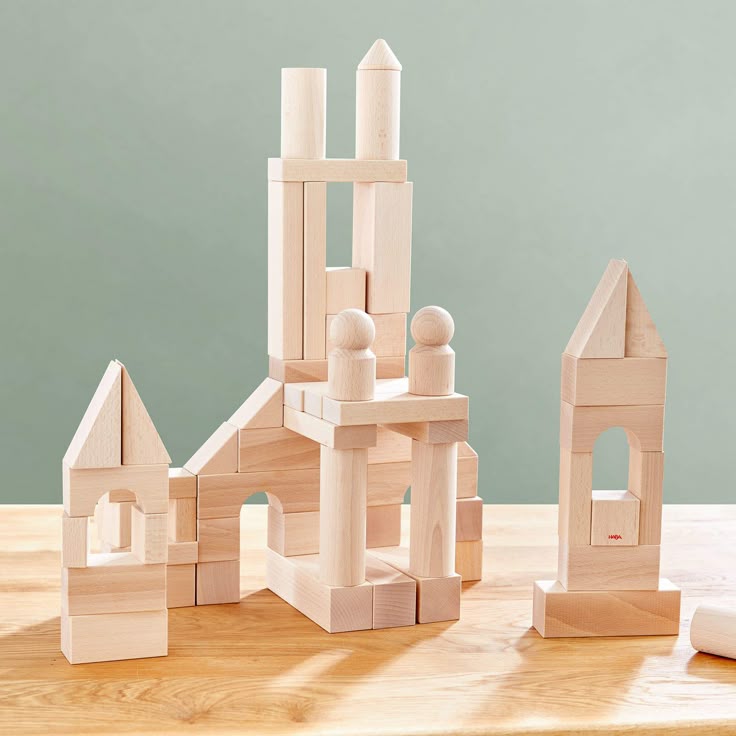
#10 Best long-use building toyWooden unit block architecture set for open-ended construction

Wooden unit blocks

Preschooler

Unit blocks have consistent proportions that allow children to compare, balance, enclose and build increasingly complex structures.

Why it made the list: They offer no single finished result, so the same set can support simple towers and more planned construction.

Look forConsistent proportions, smooth surfaces and a useful range of shapes.
Check before buyingBlock size, splinters, damaged corners, storage and age grading.

When to pass: Skip it if the set is too large for the available space or the child is still focused on simpler stacking.

Make it a gift they can use

Shop by the moment you are buying for

A birthday gift, baby shower gift and stocking filler solve different problems. These related guides give you exact product shortlists without squeezing every occasion into one ranking.

First birthday

Look for a short, repeatable action such as posting, stacking or releasing a ball. Let the product's age mark settle the safety question.

Birthday gifts by age →

Baby shower

Choose one item for awake time now and perhaps one for later in the first year. Tell the parent when the later gift should be introduced.

Baby shower gifts →

Christmas in Australia

Think about the weeks after unwrapping. Will the toy travel, fit the available floor space and stay interesting during the summer break?

Christmas toy guide →

Small Easter gift

A compact matching, lacing or pretend-play activity may fit. Pay particular attention to tiny loose pieces in a mixed-age household.

Easter basket ideas →

Under $50

A lower budget can still buy a good repeated activity. Compare the actual toy, not a promise printed on the box.

Gifts under $50 →

Under $100

Spend more only when you gain better construction, a more useful set of pieces or an activity with room to grow.

Gifts under $100 →

Before you follow a product link

The ten images illustrate gift types and the linked guides carry the specific shopping choices. ToyBloom may earn from qualifying Amazon purchases at no extra cost to you. Check the current listing, seller, age marking, size, components and delivery details before buying. We have not assigned laboratory scores or claimed to personally test every item.

Buying guidance

Montessori toy or Montessori-inspired toy?

Classic Montessori materials

These are materials associated with Montessori classrooms and a defined presentation, such as knobbed cylinders, sandpaper letters and specific sensorial materials.

  • Usually isolates one concept or action
  • Often follows a specific classroom sequence
  • May require adult presentation

Montessori-inspired toys

These are commercial toys that borrow useful Montessori ideas, such as active hands-on use, clear feedback and limited distractions.

  • Can still provide worthwhile play
  • Does not need to be wooden
  • Should be judged by design, safety and age fit
Visual buying path

Follow the action, not a rigid birthday rule

Children do not switch interests on a schedule. This picture shows one possible progression in play. The age labels help you browse; the manufacturer's age mark sets the product's minimum.

An example path through four kinds of playLook and reach, then post and stack, then match and open, then pattern and build. It is not a developmental milestone chart.01Look and reachearly baby play02Post and stackrepeat an action03Match and opencompare and try04Pattern and buildmake and revise

A child may enjoy several of these at once. For more ideas that cost nothing, see ToyBloom's screen-free toddler activities and play-space guide.

Choose by age

Use age as a starting filter

Age helps remove obvious safety and difficulty mismatches. The child's actual play tells you which option to choose next.

Baby

0 to 6 months

Looking, listening, tummy time and early grasping.

View guide →
Baby

6 to 12 months

Reach, transfer, post, retrieve and simple cause and effect.

View guide →
Toddler

1 year olds

Post, stack, push, pull and repeat clear actions.

View guide →
Toddler

2 year olds

Sort, match, transfer, carry and imitate.

View guide →
Preschool

3 to 4 years

Build, puzzle, lace, create and follow longer sequences.

View guide →
Australian toy safety

Check safety before educational claims

The Montessori label does not verify a product's safety. Australia's mandatory standard for toys up to 36 months addresses hazards such as small parts. Check the current manufacturer instructions, exact age grade, warnings and recall status, especially for loose balls, pegs, beads, magnets, batteries, cords or detachable hardware.

Small pieces

Loose sorting and lacing pieces may be unsuitable for younger children or homes with younger siblings.

Hardware and wear

Inspect posts, hinges, screws, fasteners, painted surfaces and seams regularly.

Current listing

Marketplace variants can differ from the image or description shown in an older guide.

Questions from Australian families

Frequently asked questions about Montessori toys

What makes a toy Montessori?

A Montessori-style toy usually gives the child a clear hands-on action, limits unnecessary distractions and provides direct feedback. Traditional classroom materials have more specific purposes and presentations than many commercial toys carrying the label.

What are the best Montessori toys for toddlers?

Strong options include posting boxes, stacking rings, shape sorters, colour sorting trays, busy boards, lacing beads, simple puzzles and open-ended blocks. The best choice depends on the child's current interests, abilities and the product's age grade.

Are Montessori toys always wooden?

No. Wood may be durable and pleasant to handle, but useful Montessori-style play can also involve fabric, metal, silicone, paper and other safe materials. Design and purpose matter more than wood alone.

Are colour sorting toys Montessori?

Colour sorting toys can align with Montessori principles when they provide a clear matching or classification task with direct feedback. Commercial products vary, so check piece size, layout and age guidance rather than relying on the label.

How many Montessori toys does a child need?

There is no required number. A smaller visible selection may make choosing easier, but the useful amount depends on the child's interests, the play space and how materials are stored.

Do Montessori toys need to be expensive?

No. A simple posting activity, set of blocks or child-sized practical-life tool can provide meaningful play. Price does not prove that a toy is well designed or suitable.

Where can I buy Montessori toys in Australia?

Australian families can compare local specialty stores, educational suppliers and Amazon Australia. Check the exact seller, product variant, delivery information, age grade and return policy before purchasing.

Further reading

Research and Australian safety sources

These sources guide the buying advice above. They do not certify the specific products pictured in this article.

  1. Sosa: toy type and parent-infant communication. A small comparison of parent and infant play with electronic toys, traditional toys and books. The chart uses its observed adult words-per-minute averages.
  2. American Academy of Pediatrics: what to look for in a toy. Guidance on age fit, types of play and adult-child interaction.
  3. ACCC Product Safety: play with kids' toys safely. Consumer safety guides for toy categories.
  4. ACCC Product Safety: toys for children up to 36 months. Australian mandatory standard overview.
  5. ACCC Product Safety: toys with magnets and button batteries. Extra checks for these hazards.

Ready to narrow the list?

Start with the child's age, then choose the action they already enjoy. ToyBloom's detailed guides compare the options within each age group and toy category.

Browse toys by age