
Best Montessori Sensory Toys in Australia
The best sensory toys are not the ones with the most textures, sounds or flashing features. They are the ones that give a baby or toddler a clear, safe way to notice and compare touch, movement, sound, colour, weight or position.
Sensory play is broader than touch
For a consumer toy guide, it is more useful to describe the kind of feedback an activity provides than to claim it is “brain boosting.”
Tactile
Texture, pressure, temperature and surface differences noticed through the skin and hands.
Visual
Contrast, colour, movement, shape and spatial position noticed through looking and tracking.
Auditory
Volume, pitch, rhythm and differences between sounds noticed through listening and matching.
Movement + body position
Balance, joint position and effort experienced while stepping, carrying, pouring, reaching and climbing.
Clear differences are more useful than sensory overload
Classic Montessori sensorial materials often isolate or emphasise one quality at a time, such as sound, colour, size, texture or weight. At home, you do not need a classroom material for every sense. You can use the same principle by keeping the activity understandable.
If the goal is sound matching, avoid adding flashing lights and unrelated buttons.
Two objects can differ mainly in texture, weight, sound or size, making the comparison easier to notice.
Shake, pour, reach, roll, match or step. The child's movement should drive the experience.
A natural object is not automatically appropriate for a baby. Size, construction and supervision come first.
The 8 sensory picks at a glance
These real products cover grasping, sound, tactile exploration, practical hand work and whole-body movement. Choose the play direction that fits the child rather than buying every item.
| Pick | Best for | Age guidance | Before buying |
|---|---|---|---|
| Baby sensory ball | Grasping and rolling | 0 to 12 months | Inspect the flexible surface |
| Bright Starts Oball rattle | Easy grasp and sound | Newborn and up, per supplied title | Check the rattle chamber |
| 7-piece wooden sensory set | Sound and handling variety | 0 to 12 months, per supplied title | Present one piece at a time |
| Wooden star rattle | Simple auditory feedback | 0 to 12 months, per supplied title | Inspect wood and finish |
| YOLOMOON busy cube | Portable hand activity | 6 months to 3 years, per supplied title | Check all attached parts |
| 14-piece sensory-bin tools | Scooping and transferring | Check current listing | Choose safe fillers |
| BABY JOY foam play set | Crawling and climbing | Toddler use, confirm listing | Use on a clear floor |
| Giraffe bouncy hopper | Balance and body movement | Ages 2+, per supplied title | Check inflation and surface |
The 8 picks, with safer and more useful explanations
The selection method focuses on what the child actually does, how clear the sensory feedback is, whether the difficulty can be adjusted and whether the product is appropriate for the child's age and mouthing behaviour.
The child can notice a difference in touch, sound, movement, colour or weight.
The child looks, reaches, rolls, pours, steps, shakes, matches or compares.
The adult can simplify the setup rather than forcing a child into an age-based activity.
Piece size, age grading, magnets, batteries, breakage and mouthing risk come before aesthetics.
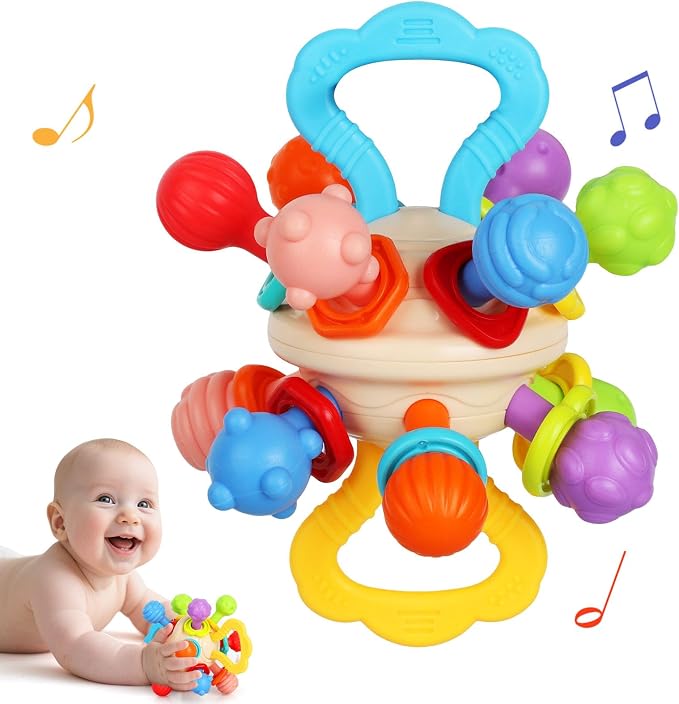
Baby Montessori Sensory Ball
A lightweight sensory ball gives babies a simple object to look at, grasp, transfer and roll. Its open shape and flexible surface can make it easier to hold than a solid ball.
- grasping
- rolling
- visual interest
- active, child-led use
Why it can work: The same object can support early grasping and later rolling or crawling games without adding lights or electronic prompts.
Safety check: Follow the current age grade and cleaning directions. Inspect the surface before every use and stop using it if any part loosens.
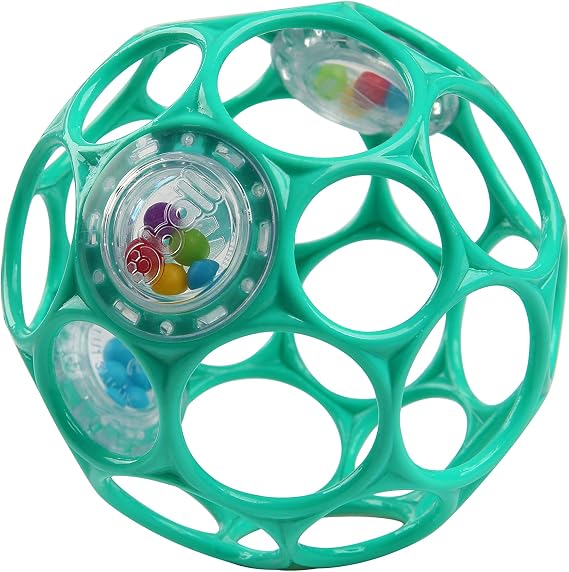
Bright Starts Oball Easy-Grasp Rattle
The Oball design combines large grasping openings with a light rattle sound. Babies can hold, turn and shake it without needing precise finger control.
- easy grasp
- cause and effect
- sound
- active, child-led use
Why it can work: It links a clear hand movement with an immediate sound while remaining simple enough for brief, child-led exploration.
Safety check: Check the current listing and inspect the rattle chamber and flexible frame for cracks or damage.

Montessori Wooden Baby Toys, 7-Piece Sensory Rattle and Music Set
A coordinated set can offer several sounds, shapes and handling experiences without relying on one busy electronic toy. Presenting only one or two pieces at a time keeps the choice manageable.
- sound comparison
- grasping
- choice
- active, child-led use
Why it can work: The set can vary the sensory experience while still allowing a calm, uncluttered presentation.
Safety check: Confirm which pieces are appropriate for the child’s exact age. Inspect wood, joins and finishes, and never assume every item is intended for mouthing.

Wooden Star-Shaped Baby Rattle
This compact wooden rattle offers shape, weight and sound in one simple object. The star outline can create several grasp points for supervised handling.
- auditory feedback
- grasping
- hand movement
- active, child-led use
Why it can work: It provides clear cause and effect without flashing lights, recorded music or multiple buttons.
Safety check: Confirm the current age and mouthing guidance. Check the wood and finish for cracks, splinters or peeling before every use.
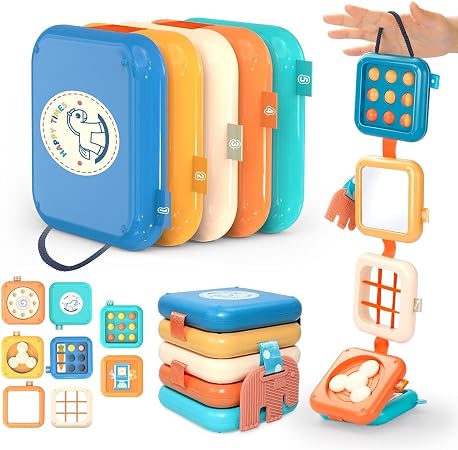
YOLOMOON Sensory Busy Cube
A busy cube places several hand actions into a compact format. It can suit travel or waiting times when a toddler benefits from something portable to turn, press or manipulate.
- fine motor
- travel play
- cause and effect
- active, child-led use
Why it can work: The small format can provide focused hand activity without requiring loose pieces spread across a large area.
Safety check: Confirm the age grade and inspect every attached feature. Keep cords, fasteners and movable parts secure and replace the toy if anything loosens.

14-Piece Wooden Sensory Bin Tool Set
Tongs, spoons, bowls and a rolling pin can turn a sensory bin into practical transfer work. The value comes from scooping, gripping, pouring and comparing, not from filling the bin with many materials.
- scooping
- transferring
- practical play
- active, child-led use
Why it can work: The tools support different hand actions and can be reused with water, dough or safe loose materials as the child grows.
Safety check: The set includes multiple small tools. Choose fillers for the child’s age and mouthing behaviour, supervise directly and store every piece after play.

BABY JOY 5-Piece Crawl and Climb Foam Play Set
Soft foam shapes create an adjustable space for crawling, climbing, stepping and sliding. The child receives direct body-position and movement feedback while choosing a route.
- crawling
- climbing
- body awareness
- active, child-led use
Why it can work: The layout can change, so the challenge can grow without forcing a fixed course or one correct way to move.
Safety check: Use active supervision. Check covers, seams and foam for damage, and keep the setup away from stairs, hard furniture and elevated surfaces.
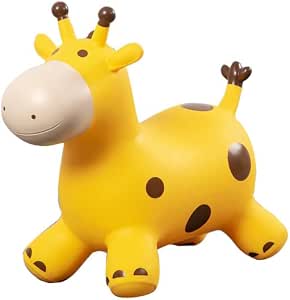
Giraffe Bouncy Horse Hopper
A ride-on hopper gives toddlers repeated movement, pressure and balance feedback. It is an active toy controlled by the child rather than a powered ride-on that performs for them.
- balance
- bouncing
- gross motor
- active, child-led use
Why it can work: Bouncing connects leg effort and body position with an immediate movement response, making it a clear whole-body activity.
Safety check: Follow inflation, age and weight guidance. Supervise closely and keep it away from steps, slopes, pools and hard edges.
Sensory play can include objects babies touch and mouth, so product safety matters
Use the individual product's age grade and warnings. A sensory or Montessori label is not a safety certification.
Australian Government guidance for children's toys
Product Safety Australia publishes consumer guidance for children's toys and a mandatory standard for toys intended for children up to and including 36 months. This is especially relevant to baby sensory products because small parts can become choking hazards.
Magnets and button batteries need extra attention
Sensory products sometimes include electronic modules, magnetic pieces or novelty components. Accessible button batteries and small high-powered magnets can cause serious injury if swallowed.
What sensory-play research can reasonably support
The safest way to use research here is to explain the importance of play and the Montessori sensorial approach without pretending that one retail sensory toy creates a measurable developmental outcome.
Play supports development through interaction and practice
The American Academy of Pediatrics describes play as important for child development and caregiver-child interaction. That supports creating opportunities for active play, but it does not prove that a specific sensory toy strengthens neural pathways or improves intelligence.
Montessori sensorial materials are about discrimination and order
Montessori education uses carefully designed materials to help children notice differences in qualities such as size, colour, texture, weight and sound. Original Montessori writing is a better source for that philosophy than modern marketing claims about sensory stimulation.
Montessori program evidence is not product evidence
Research on Montessori educational settings has reported positive outcomes in some domains, but those studies evaluate an educational method and environment. They do not validate every product described as Montessori or sensory.
What this page can responsibly say
A toy can provide a tactile, visual, auditory or movement experience. ToyBloom can also evaluate age fit, clarity, simplicity and safety. It should avoid claims such as “natural materials create richer neural data,” “every texture strengthens brain pathways” or “this toy improves focus” without direct evidence.
Sensory-seeking, sensory-avoidant and neurodivergent children can have very different responses to touch, sound and movement. A general toy guide cannot diagnose sensory processing differences or prescribe therapy. If sensory responses are interfering with daily life, seek advice from an appropriate health professional rather than relying on product recommendations.
How to choose Montessori-style sensory toys
Start with the child, then choose the sensory experience.
1. Decide what kind of feedback you want
Touch, sound, visual contrast and whole-body movement are different experiences. You do not need all of them in one toy.
2. Match the activity to current ability
A steady toddler may enjoy a foam climbing setup or hopper. A baby who is still learning to grasp needs a much simpler object.
3. Consider mouthing behaviour
For babies and toddlers who mouth objects, the product needs to be suitable for that age and use. Avoid loose fibres, coatings, small fillers and breakable pieces.
4. Prefer simple feedback over feature overload
A toy that rolls, pours, shakes or changes sound can be more understandable than one combining lights, music, vibration and buttons.
5. Think about supervision
Sensory bins, foam climbing and bouncing require closer adult attention than a simple grasping ball or sealed rattle.
6. Inspect sensory materials regularly
Check seams, wooden surfaces, closures, magnets, battery compartments and any part that could loosen with repeated use.
Frequently asked sensory-toy questions
Direct answers without the overclaims.
What are Montessori sensory toys?
They are materials that make a sensory difference easy to notice and compare. Classic Montessori sensorial materials may isolate qualities such as texture, sound, colour, size or weight. Home sensory toys can use the same principle without being official classroom materials.
Are sensory toys good for babies?
Simple age-appropriate sensory toys can provide useful opportunities to look, grasp, mouth, transfer and compare. Product safety, piece size and supervision matter more than the sensory label.
Do sensory toys need to be made from natural materials?
No. Wood, fabric and natural fibres are common in Montessori environments, but they are not automatically better or safer than other suitable materials.
What sensory toys are good for toddlers?
Busy cubes, supervised sensory-bin tools, soft climbing shapes and balance-oriented movement toys are useful options. Choose according to the child's current abilities and sensory interests.
How should sensory toys be checked for safety?
Follow the current age grade and inspect the toy before every use. Check seams, wood, finishes, fasteners and moving parts. Avoid loose, sharp, breakable or shedding components, accessible magnets, button batteries and anything that could become a choking hazard.
Do sensory toys improve brain development?
No individual retail toy should be presented as a brain-development treatment or guarantee. Active play gives children opportunities to practise looking, moving, comparing and manipulating, but development depends on many interacting factors.
Can sensory toys help a child with sensory processing difficulties?
A general toy guide cannot determine what a child with sensory differences needs. Sensory responses vary widely. If sensory reactions are interfering with daily life, seek individual advice from an appropriate health professional.