Toys by development goal
Sometimes you know exactly what you want to support: a child who needs more fine motor work, a toddler whose language is lagging, a baby who needs more tummy time stimulus. These guides go directly to the toys that address each developmental area.
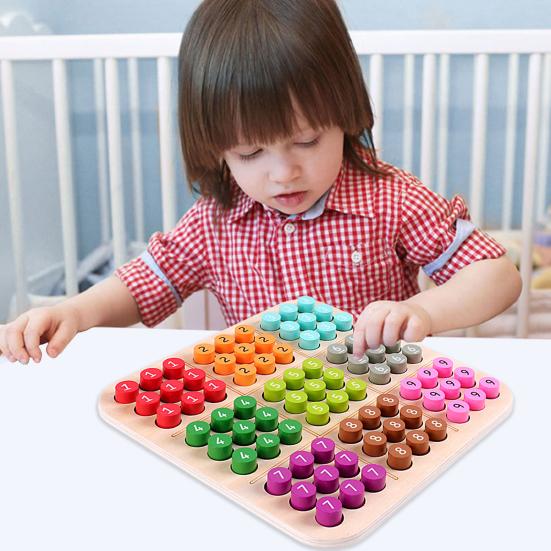
Best Montessori toys for fine motor development
Fine motor skills, the controlled use of the small muscles in the hands and fingers, underpin handwriting, self-dressing and tool use. Montessori materials build this control through threading, posting, pinching and twisting activities that are genuinely challenging and deeply satisfying.
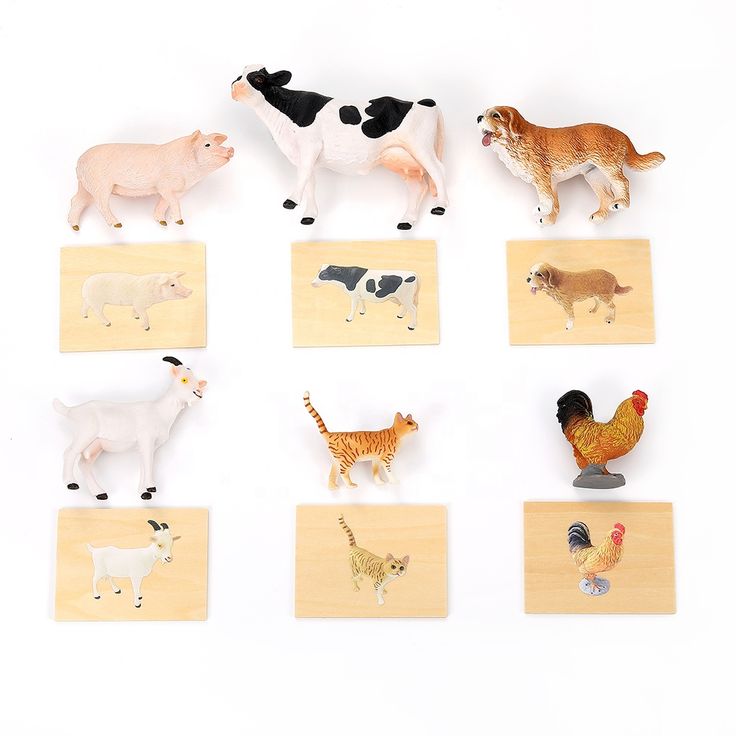
Best Montessori toys for language development
Language develops fastest when a child has something concrete to name, describe and categorise. Realistic figurines, picture matching cards and sorting materials build vocabulary far more effectively than electronic toys with built-in voices, because the child is doing the naming rather than listening to it.
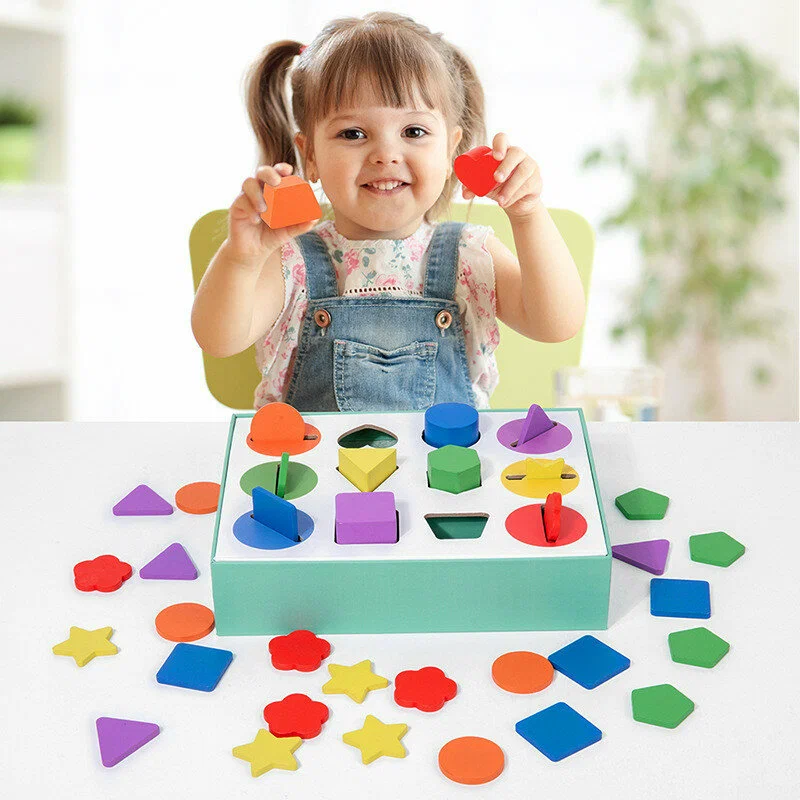
Best Montessori toys for cognitive development
Cognitive development at this age means problem solving, spatial reasoning, categorisation, pattern recognition and the beginning of logical thinking. Puzzles, sorting materials and construction toys build these capacities through direct, physical manipulation of real objects, not through screens or instruction.
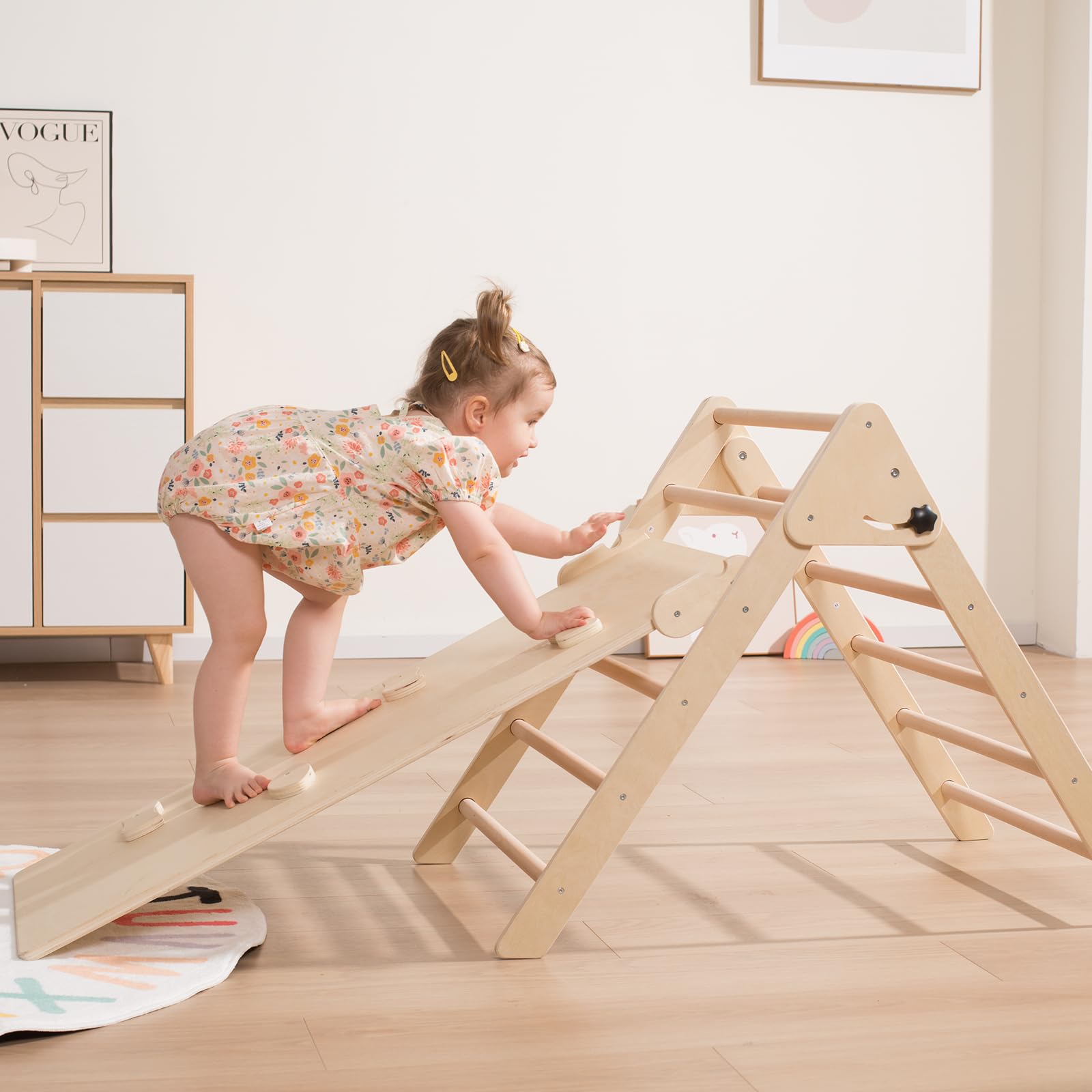
Best Montessori toys for gross motor development
Gross motor development involves the large muscle groups: the legs, core and arms that coordinate for crawling, walking, climbing, running and throwing. Montessori materials support this through push walkers, balance boards, balls and open-ended outdoor materials that let children practise these movements at their own pace.
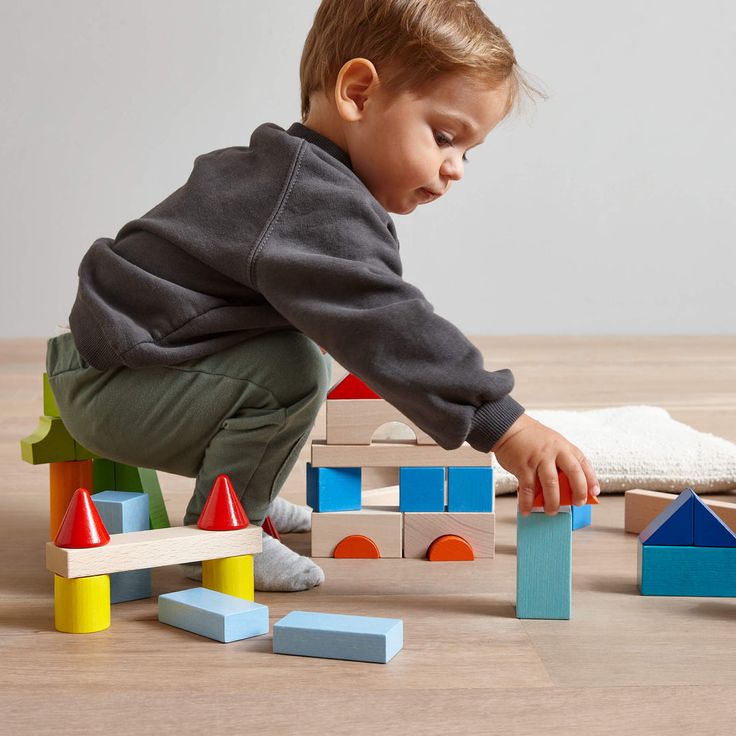
Best Montessori toys for independent play
Independent play, where a child sustains focused engagement with an activity without adult direction or entertainment, is one of the most valuable skills a young child can develop. The Montessori shelf setup, combined with well-chosen materials, makes genuine independent play possible from as early as 10 months.
Why browse by development goal?
Sometimes the question is not "what age is this child?" but "what do I want to support right now?" A 2 year old who is struggling with grip strength needs different toys than a 2 year old whose language is the priority. These guides answer that more specific question.
More targeted than age guides
Age guides cover everything a child at that stage might need. Skill guides focus on one area, which makes the toy choice faster and more specific to what you are actually trying to support.
Skills develop unevenly
A child can be advanced in one area and behind in another. Choosing toys by the skill you want to support rather than chronological age gives you a more accurate match for where that child actually is.
A complement to age guides
Use the age guide to understand the full developmental picture for your child, then use the skill guide to drill down on the specific area you want to prioritise on the shelf right now.
All development areas at a glance
Click any skill below to go directly to that guide. All guides cover the developmental background, key ages and specific toy picks available in Australia.